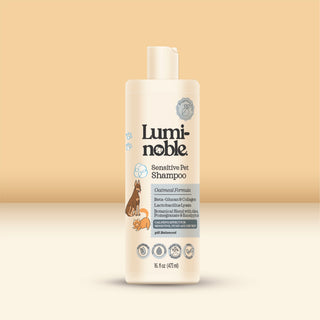
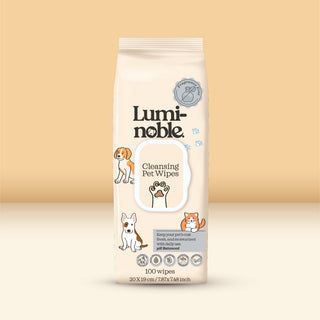
01
Parabenos
ConservanteConservantes sintéticos asociados a posibles preocupaciones por alteración endocrina. Las mascotas con la barrera cutánea comprometida son más vulnerables a la absorción.
Learn why
Ocho categorías de ingredientes que nunca entran en una fórmula Lumi-noble, y la ciencia detrás de cada exclusión. Sin SLS, sin parabenos, con fragancia disciplinada.
LA CIENCIA DETRÁS DE ELLO
Los perros y los gatos tienen un estrato córneo más fino y un pH cutáneo más alcalino (alrededor de 6.5–7.5) que los humanos. Esa biología los hace mucho más vulnerables a tensioactivos, fragancias y conservantes agresivos. Nuestra lista de exclusión es una regla de formulación, revisada frente a la literatura de dermatología revisada por pares y de fisiología de la piel de las mascotas.
LA LISTA DE EXCLUSIÓN
Cada uno fue revisado frente a la literatura científica revisada por pares sobre la fisiología de la piel de las mascotas, el riesgo de sensibilización y el impacto en el microbioma, y luego rechazado conscientemente.
Conservantes sintéticos asociados a posibles preocupaciones por alteración endocrina. Las mascotas con la barrera cutánea comprometida son más vulnerables a la absorción.
Learn whyTensioactivos agresivos que despojan a la piel de su barrera lipídica natural. Especialmente duros con el pH más alcalino de la piel de las mascotas.
Learn whyPlastificantes y fijadores de fragancia señalados por posibles efectos de alteración endocrina. Excluidos sin excepción.
Learn whyColorantes sin valor funcional y con potencial de irritación documentado. Elegimos formulaciones que funcionan, no las que tienen cierto aspecto.
Learn whyAgentes oclusivos que pueden obstruir los poros y alterar la respiración natural de la piel y el equilibrio del microbioma.
Learn whyConservantes como el DMDM hidantoína que liberan formaldehído de forma lenta, un conocido sensibilizante e irritante de la piel.
Learn whySustancias químicas duras que despojan y dañan la barrera cutánea con el uso repetido, provocando sequedad e irritación.
Learn whyLa cocamida DEA, los derivados de TEA y tensioactivos similares señalados en revisiones de seguridad por contaminación y sensibilización.
Learn whyPOR QUÉ IMPORTA CADA UNO
No creemos que una lista de exclusión signifique gran cosa sin una explicación. Aquí tienes la ciencia, las fuentes habituales y exactamente lo que usamos en su lugar.
Why we avoid it
Los parabenos pueden penetrar en la piel y se han asociado a posibles preocupaciones por alteración endocrina en la literatura científica en curso. Las mascotas con la barrera cutánea comprometida (habitual en razas de piel sensible) son más vulnerables a la absorción.
Commonly found in
Champús, acondicionadores y sprays de aseo convencionales donde se prioriza la conservación de bajo coste por encima de los estándares modernos de tolerancia cutánea.
Lumi-noble alternative
Sistemas conservantes modernos y de baja sensibilización (p. ej. mezclas de ácidos orgánicos, química de conservación multifuncional) elegidos por su tolerancia en la piel de las mascotas.
Revisado frente a las restricciones de parabenos del Reglamento Cosmético de la UE (CE) n.º 1223/2009.
Why we avoid it
Tensioactivos agresivos que producen espuma densa pero alteran la barrera lipídica natural y el microbioma de la piel. La piel de las mascotas es más fina y más alcalina que la humana, lo que la hace mucho más reactiva a los sulfatos.
Commonly found in
La mayoría de los champús para mascotas de gran consumo, especialmente las fórmulas económicas donde la espuma se usa como señal de marketing de poder limpiador.
Lumi-noble alternative
Un sistema de tensioactivos suave y de origen natural que limpia con eficacia sin despojar la barrera cutánea, con pH balanceado para perros y gatos.
La sensibilidad a los sulfatos está bien documentada en la literatura de dermatología veterinaria.
Why we avoid it
Plastificantes y fijadores de fragancia señalados como posibles alteradores endocrinos en múltiples revisiones de seguridad. Como las mascotas se acicalan continuamente e ingieren residuos de su pelaje, la exposición se acumula con el tiempo.
Commonly found in
Sistemas de fragancia sintética y ciertos componentes de envases plásticos en el cuidado convencional de mascotas.
Lumi-noble alternative
Componentes de fragancia divulgados, de baja concentración y libres de ftalatos, u omitidos por completo en las fórmulas para piel sensible.
Los ftalatos están restringidos en la UE y en varias regulaciones cosméticas a nivel estatal de EE. UU.
Why we avoid it
Los colorantes sintéticos cumplen únicamente una función estética. No tienen beneficio funcional y pueden desencadenar dermatitis de contacto o reacciones alérgicas en mascotas sensibilizadas.
Commonly found in
Champús para mascotas de colores llamativos que usan el color como diferenciador de marca en lugar de como decisión de formulación.
Lumi-noble alternative
Sin colorantes añadidos. Las fórmulas Lumi-noble tienen el color natural de sus ingredientes: normalmente ámbar suave, marfil o blanco roto.
El color no aporta nada a la limpieza ni a la salud de la piel.
Why we avoid it
Subproductos oclusivos del petróleo que forman una capa selladora sobre la piel. Pueden obstruir los folículos, atrapar calor y alterar la respiración natural de la piel y el equilibrio del microbioma, lo que resulta especialmente problemático en pelajes densos de mascotas.
Commonly found in
Acondicionadores, sprays desenredantes y productos para mascotas de acabado brillante diseñados para resultados cosméticos rápidos.
Lumi-noble alternative
Péptidos de colágeno hidrolizado y lípidos derivados de la avena que acondicionan el pelaje sin ocluir la piel.
Priorizamos ingredientes que las mascotas puedan metabolizar y retirar al acicalarse de forma segura.
Why we avoid it
Conservantes que liberan formaldehído de forma lenta, un conocido sensibilizante e irritante de la piel. Especialmente preocupante en productos de uso repetido como el champú, donde la exposición se acumula con el tiempo.
Commonly found in
Sistemas de conservación más antiguos, todavía habituales en formulaciones de cuidado de mascotas de menor coste.
Lumi-noble alternative
Química de conservación moderna que logra estabilidad en el estante sin liberar compuestos sensibilizantes.
El formaldehído está clasificado como carcinógeno humano conocido por la IARC.
Why we avoid it
Agentes desecantes que despojan y dañan la barrera cutánea con el uso repetido. La piel de las mascotas carece de la resiliencia para recuperarse rápidamente de la deshidratación provocada por disolventes, lo que provoca descamación e irritación.
Commonly found in
Sprays de secado rápido, productos desodorizantes para mascotas y fórmulas de champú en seco que priorizan la velocidad de evaporación.
Lumi-noble alternative
Sistemas de limpieza a base de agua respaldados por humectantes y botánicos calmantes para la piel.
Los alcoholes funcionales de baja concentración (p. ej. el alcohol cetílico) no son disolventes y no están en esta lista.
Why we avoid it
Tensioactivos ajustadores del pH y de alta espuma señalados en múltiples revisiones de seguridad por su potencial de contaminación y riesgo de sensibilización en pieles reactivas.
Commonly found in
Champús para mascotas «de grado profesional» con alta espuma donde la densidad de la espuma es la principal señal del producto.
Lumi-noble alternative
Sistemas de tensioactivos naturalmente estables en pH y de baja irritación, elegidos específicamente por su tolerancia en la piel de las mascotas.
La elección del tensioactivo es el mayor factor determinante de la tolerancia de la piel de las mascotas.
ESTÁNDAR FRENTE A ESTÁNDAR
Una comparación directa de la diferencia entre la formulación convencional de champú para mascotas y el estándar Lumi-noble.
FORMULADO PARA
Como hemos excluido todo lo agresivo, cada fórmula Lumi-noble es adecuada para las poblaciones más afectadas por los ingredientes duros.
Seguro en todas las etapas de la vida, desde el primer baño en adelante.
Analizado para la seguridad metabólica felina; sin aceites esenciales tóxicos.
Formulado para pieles reactivas, propensas a alergias y con la barrera comprometida.
Diseñado para el uso regular sin alterar la barrera.
Rinde a volumen de salón respetando la piel sensible.
¿LISTO PARA EXPERIMENTAR LA DIFERENCIA?
Cada fórmula Lumi-noble es el resultado de decisiones deliberadas sobre lo que entra y lo que se queda fuera. Eso es lo que la hace segura para los animales que quieres.